
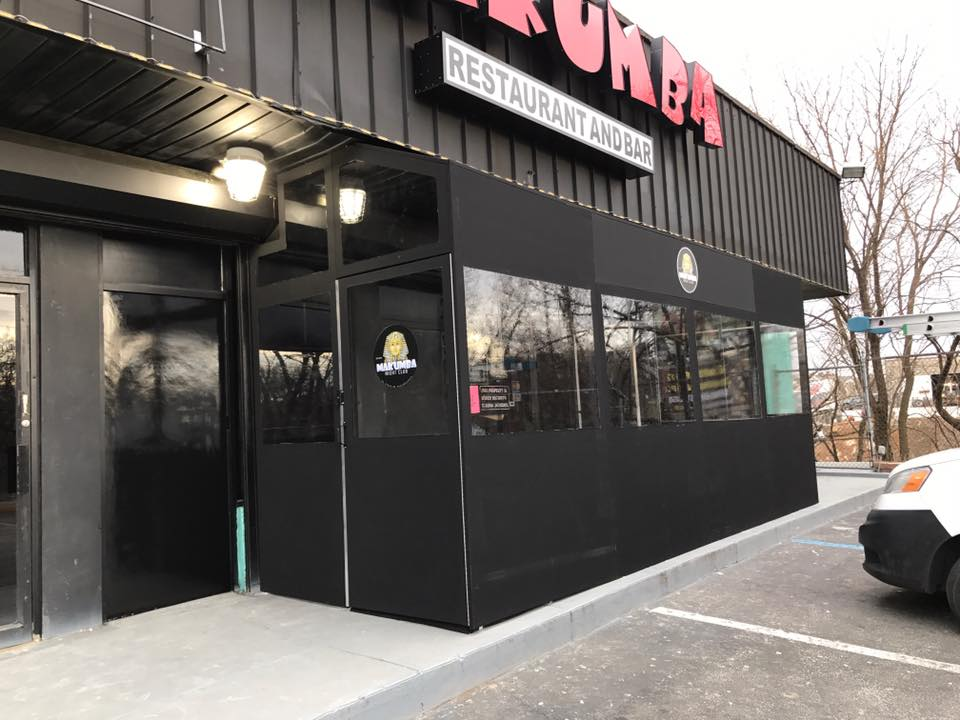
Winter vestibules are a clever and effective way of increasing a building’s energy efficiency, especially during the colder months. They act as a buffer zone, placed at the entrances of buildings, trapping cold air and preventing it from entering the main area. This smart design reduces the need for additional heating, resulting in less energy usage and lower utility bills.
But it’s not just about cost-saving. These vestibules also contribute to a more comfortable indoor environment. By preventing drafts and maintaining a consistent indoor temperature, they enhance the overall experience for people inside the building.
Whether it’s a bustling restaurant, a busy office, or a cozy home, winter vestibules in Washington, D.C., play an essential role in providing a warm and inviting atmosphere. Keep reading to learn more about how winter vestibules can boost efficiency.
Prevent the Stack Effect
In taller buildings, there’s something called the “stack effect.” This is when the warm air inside the building rises and escapes through the top floors. It’s like when you see smoke rising from a chimney. This can be a problem because the building loses some warm air, making the heating system work harder.
But here’s where a winter vestibule in Washington, D.C., comes in handy. Trapping the cold air at the entrance helps keep the warm air inside the building, making the building warmer and more energy efficient.
Insulation Barrier
Think of winter vestibules as extra blankets over a building entrance. Just as blankets keep you warm by trapping your body heat and not letting it escape, winter vestibules do the same for buildings. They cover the entrance and stop the building’s heated air from going outside. This creates an insulation barrier, reducing heat loss and making the building more energy efficient.
Wind Buffering
Winter vestibules also work like a shield against cold winds. Imagine how it feels when you’re walking outside on a cold, windy day. The chill from the wind can feel much colder than the actual temperature.
Now, picture a building without a winter vestibule. The cold wind can rush right in every time the door opens, bringing that chilly air with it. But when there’s a winter vestibule, it blocks that wind. The vestibule keeps most of the cold wind out even when the door opens.
This keeps the inside of the building from getting too cold. It’s a simple but effective way to help keep the building warm and comfortable, and it helps save energy, too.
Temperature Regulation
Keeping a building warm during winter can be challenging for heating systems, especially when doors are constantly opening and closing. This is where these winter vestibules step in. They act as thermal buffers, maintaining a steady temperature inside, even on the coldest days.
This is possible because they trap cold air that comes in with each door opening, preventing it from spreading throughout the building. As a result, heating systems don’t have to work overtime to compensate for the loss of warm air, saving energy and making the building more efficient.
Invest in a Winter Vestibule in Washington, D.C.
With the right winter vestibule in Washington, D.C., you can make your business more appealing and energy-efficient. Contact us today and start designing your custom enclosure!